Crochet Planned Pooling Basics
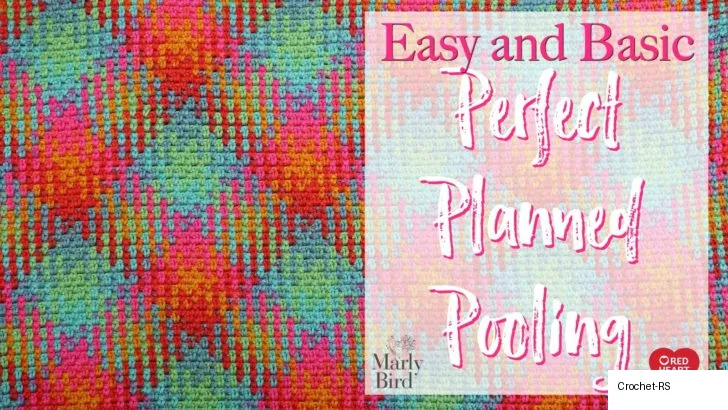
Crochet Planned Pooling Basics with Marly Bird! Planned Pooling is an amazing crochet technique, and this is a great tutorial to get you started!
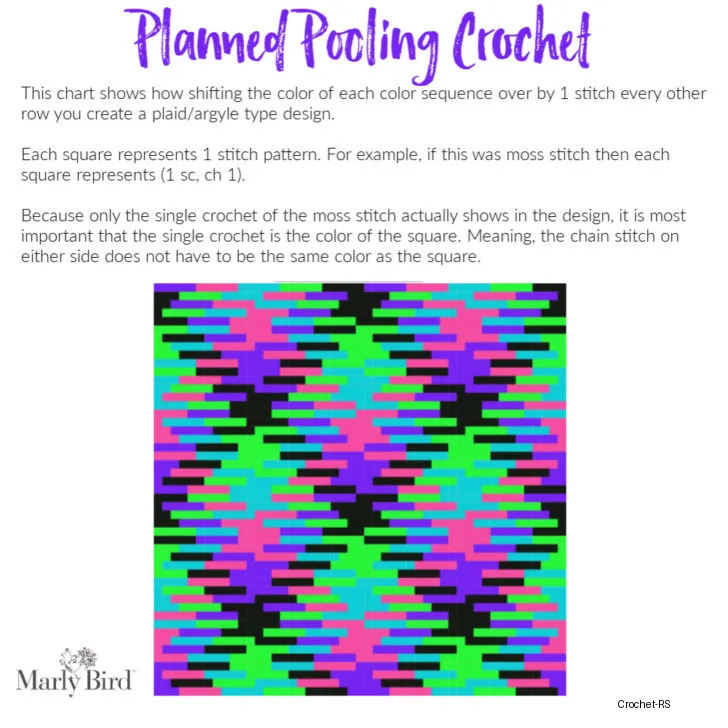
Planned Pooling is a technique used to intentionally work the colors of a variegated skein of yarn in pattern to make a specific design. The most common of these designs is a criss-cross or plaid/argyle type pattern. There are many stitch patterns that can be used along with planned color pooling technique, but it is important to remember that, with planned pooling, the yarn is really the star of the show and the crochet stitch pattern is the supporting actor.
Where should I start?
- FIRST: Choose a yarn that will work. Not all variegated yarns will work with planned pooling but there are many that will work.
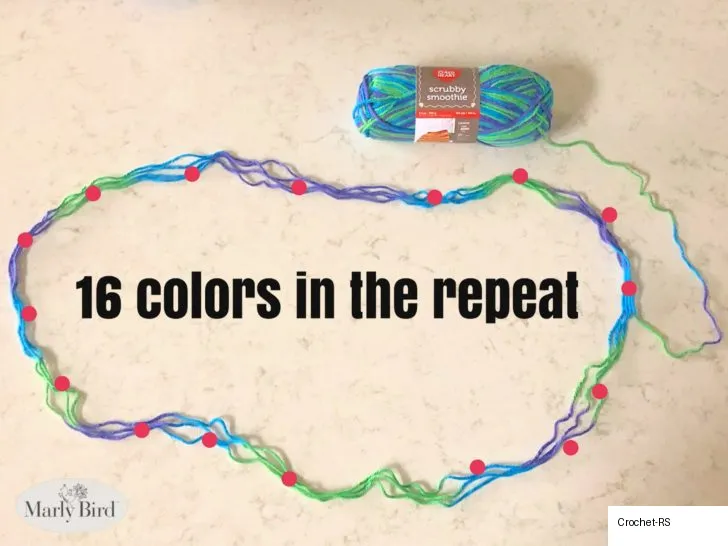
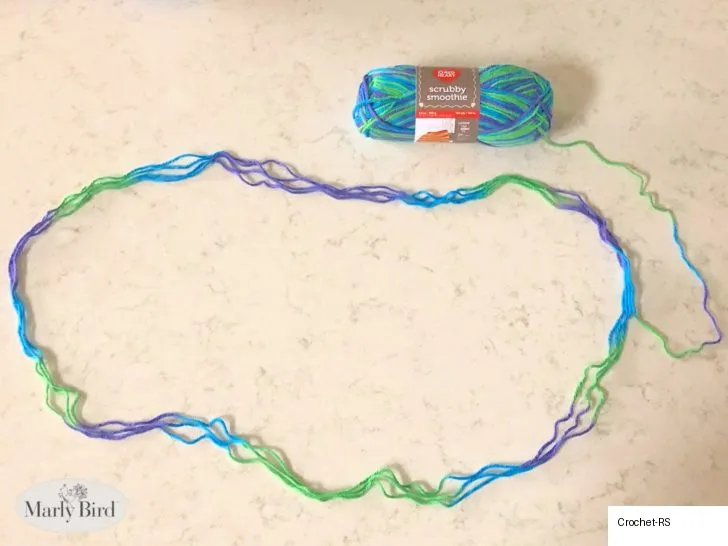
- SECOND: Find the color sequence of the yarn. Do this by laying out the colors to find the repeat. Take a minute and write down how many colors are in a repeat and what the sequence is for the yarn you are using.
- THIRD: Choose a hook size that you think works best with your yarn choice.
- FOURTH: Place a slip knot on your hook. Chain through at least 1 full color sequence.
Working the Pattern (Moss Stitch)
Row 1 (right side): Sk 3 ch (counts as a st), sc in the 4th ch from hook, * ch 1, sc around the foundation ch (instead of going into a ch st); repeat from * until 1 full color sequence has been completed. Count the number of sc made in each individual color in the colorway and note it down. Leave remaining ch sts unworked. Undo one st repeat (sc, ch 1), turn.
Now the goal is to always get the same number of sc in each of those colors. Think of this as your magic number.
Row 2 (wrong side): Ch 2 (counts as a st now and throughout), sc in next ch-1 space, * ch 1, sc in next ch-1 space; repeat from * to end finishing with a sc in last ch-3 space, turn.
Note: As you work this row and all remaining rows, you MUST get the correct number of sc in each color in order to maintain the planned color pooling. Change hook sizes, or actual st used, to get the correct color in place. If you use the same number of sts per color that you counted on Row 1, it will work out.